Pottery carving expresses a impressive work type with a lengthy heritage, extending back multiple of periods. From ancient containers to recent showcases, the material offers unequalled possibilities for creative performance. Creators apply distinct techniques – including fabricating, wheel spinning, and complex firing processes – to fashion humble loam into beautiful three-dimensional productions. The longevity of fired clay also contributes to its status as a truly consequential part of human culture.
Examining Terracotta Tablet Configurations and Strategies
The world of ceramic panel design offers a broad array of inventive possibilities. Makers often engage a assortment of established and modern techniques to create visually impressive pieces. These can extend from simple, sculpted reliefs to complex, multi-layered layouts. Frequently used methods include form mold, manual molding, glaze application – which can involve various styles like sub-glaze artwork, outer glaze enhancement, and scraped artwork where designs are made visible by excavating a layer of shell. Extended research into overlay methods such as quick baking and metallic glaze can create truly exceptional and tailored earthenware tiles.
- Slip Casting - Generating pieces using a design
- Artisanal Molding - Accurately crafting the material
- Glazing - Smearing the shell with a glass-like finish
- Incised pattern - Bringing out designs by abrading coatings
Immersive Experiences: Brick Art Arrangements
The expanding landscape of art presents exciting modern avenues for spectators, and ceramic art installations are at the vanguard of this development. These aren't just static creations; they are built to envelop the guest in a sensory surrounding. Imagine passing through a forest of towering, glazed ceramic trees, or navigating a complex of intricate ceramic vessels. Many artists are now incorporating tones, illumination, and even bouquet to enhance the effect of their work. Consider the power of a room filled with hundreds of delicately ceramic items, each telling a fable. Regularly, such installations probe themes of natural world, remembrance, and mankind.
- They installations blur the limits between art and building.
- Witnessing a ceramic art installation can be a deeply profound journey.
- Creators are exploring the boundaries of what is feasible with clay.
The Elegance of the Brick Container: Significance and Design
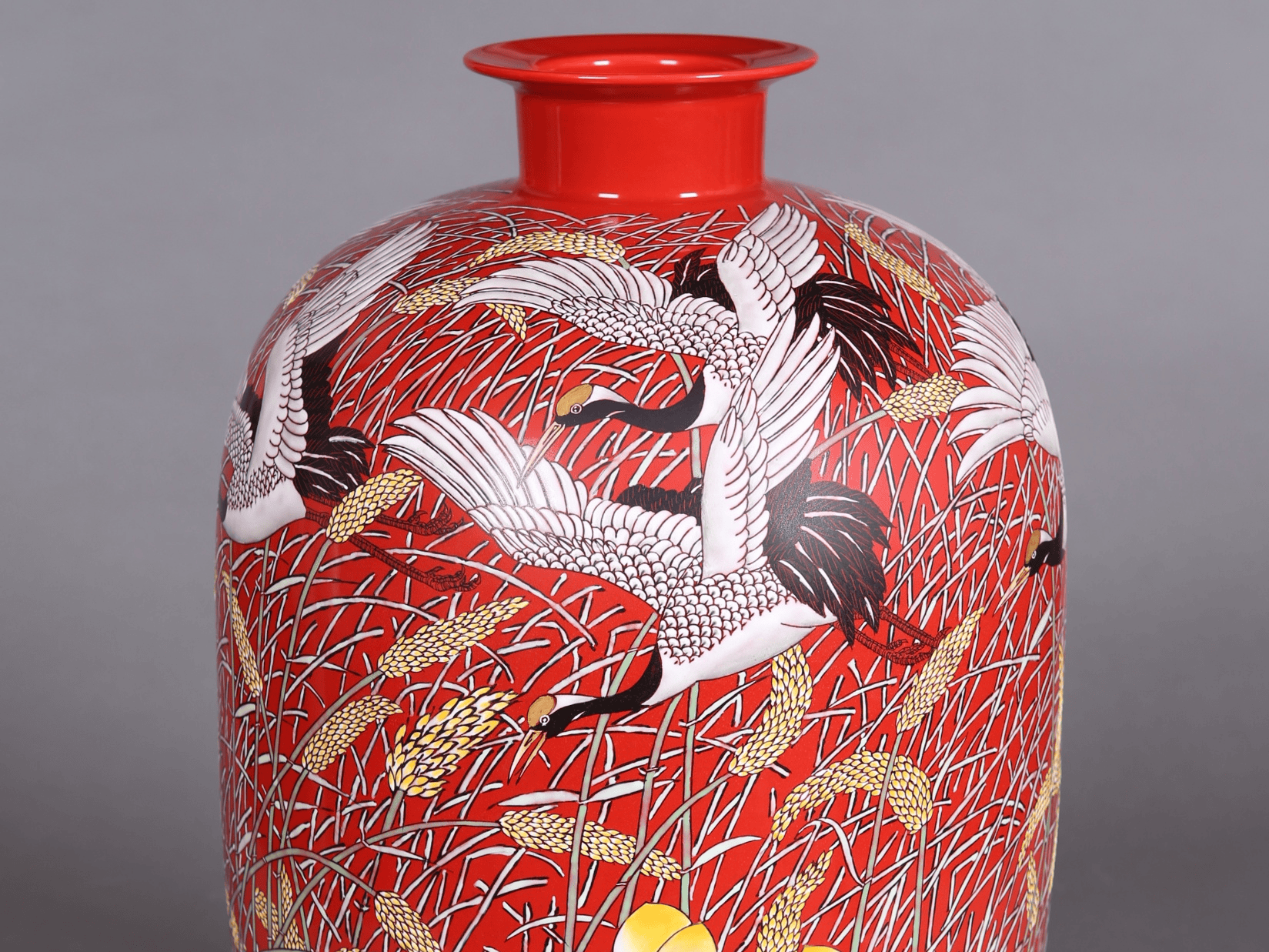
The porcelain vase represents a admirable union of utility and decorative appeal. Historically, these vessels served a minimalist assignment in holding contents, but their progression has transformed them into highly valued works of craftsmanship. Each item showcases the mastery of the potter, demonstrating how structure can be as meaningful as purpose. The attentive shaping, the one-of-a-kind glazes, and the overall presence of a skillfully-formed vessel can enhance a space, offering both grace and a intimate reminder of the human hand.
Current Porcelain Figure : Pushing Limits
Current stoneware figure represents a fascinating development from traditional practices. Creators are energetically testing with novel systems, mixing the lines between ceramics and diverse expressive realms. From massive installations to complex miniature pieces, mentioned works analyze themes of background while concomitantly remaking the very of what clay can be. The resulting is a vibrant field of artistic design.
Clay Tablet: Preserving History in Clay
Brick plaques offer a singular method for noting significant events and beings. Opposite of traditional metal or stone markers, these sturdy pieces of mastery are formed from kilned clay, creating a material link to the former times. Regularly, they display intricate reliefs or hand-painted imagery, revealing stories that might otherwise be disremembered. This technique, dating back ancient societies, provides a aesthetically pleasing and lasting way to acknowledge our ceramic art installation collective heritage.
- Those can be installed in public spaces.
- Scores of are now acknowledged historical objects.
Pottery Art Installations: Shifting Venues
Clay art installations are flourishing a potent medium for designers to reimagine public and private sites. These immersive artworks frequently involve expansive clay models that hold viewers, modifying their awareness of the fabricated environment. By utilizing diverse systems like artisanal crafting and elaborate firing procedures, ceramic artists generate truly original experiences, removing the boundaries between production and environment. The upshot is often a emotional modification that uplifts the aesthetic quality of the site and fosters interaction.
From Spindle to Marvel: The Practice of the Ceramic Jar
The journey of a ceramic jar from a simple lump of clay to a refined work of production is a testament to human inventiveness. Customarily, the process commences with the potter’s rotary device, where the experienced artisan builds the circling material into a cylindrical profile. This first period demands skilfulness and a sensitive eye, followed by a delicate solidifying period. Once raw-fired, the container is ready for beautification, which may involve applying intricate sketches, carving detailed imagery, or employing a multitude of coatings. The concluding processing process then transforms the object into a durable and lovely receptacle, a tangible reflection of the maker's creativity.
Forming with Clay: A Overview to Earthenware Expression
Plunging the world of pottery work begins with studying the tenets of molding with clay. This particular procedure involves thoughtfully layering and taking away volume to generate three-dimensional objects. Whether you're a novice or a skilled artisan, testing with diverse classes of terracotta – specifically clay – will facilitate you identify your special manner. In conclusion, porcelain shaping is a worthwhile quest that joins expert talent with inventive demonstration.